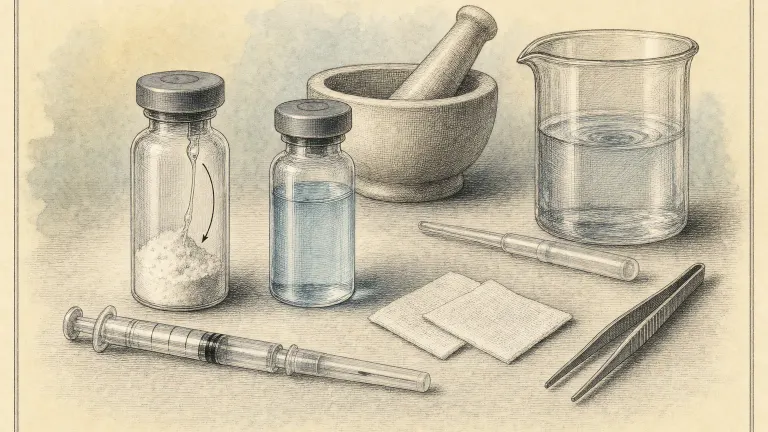
How to Reconstitute Peptides: Step-by-Step Guide
How to reconstitute peptides step by step: bacteriostatic vs sterile water, mixing without shaking, converting mg to syringe units, and how long vials last.
How peptides are mixed, measured, stored and injected: reconstitution, syringe units, bacteriostatic water and safe handling.
How to reconstitute peptides step by step: bacteriostatic vs sterile water, mixing without shaking, converting mg to syringe units, and how long vials last.

How to store peptides: why water, heat, light and shaking break them down, how freeze-drying helps, and label-based storage rules for powders, vials and pens.
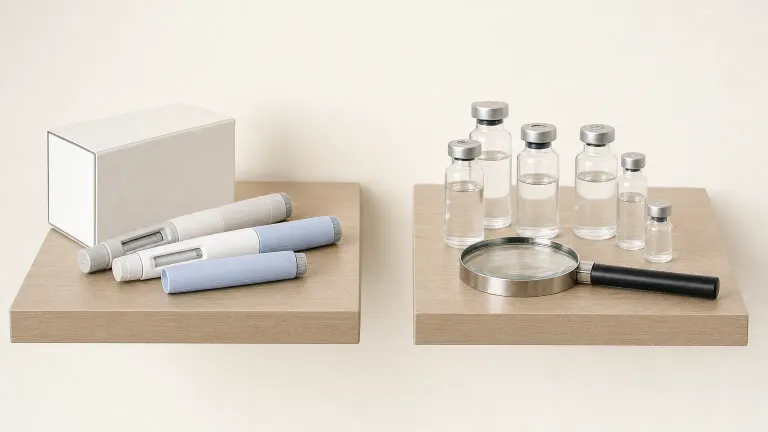
Peptide therapy explained: approved peptide medicines vs unapproved clinic peptides like BPC-157 and TB-500, what human evidence exists, risks and FDA rules.
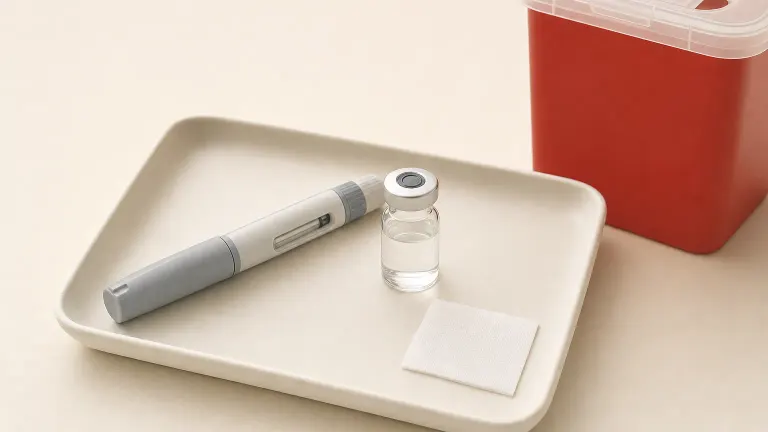
Peptide injections explained: why peptides are injected, approved drugs vs unapproved clinic peptides, side effects, risks and the 2026 legal picture.
GHK-Cu vs Matrixyl: how the copper peptide and palmitoyl pentapeptide work, what human trials show, skin penetration, side effects and regulatory status.

How to inject peptides subcutaneously: set up a clean space, pick and rotate sites, pinch, insert at 90 degrees, and dispose of needles, based on FDA labels.

Peptide stacking explained: popular stacks like CJC-1295 plus ipamorelin or BPC-157 plus TB-500 lack combination trials. Evidence, interaction risks, safety.

Peptide clinic lab tests explained: which blood tests clinicians order before and during GLP-1 or growth hormone peptides, why, and which tests aren't useful.

Cyclic peptides explained: why ring-shaped peptides are more stable, which cyclic peptide drugs are approved, and new oral and injectable macrocycles in trials.

Peptides and the gut microbiome: how defensins shape gut bacteria, how bacteria drive GLP-1 release, nisin and KPV findings, and what human evidence exists.

Defensins in clinical development: no approved defensin drug, a non-peptide mimic in phase 2, an FDA-authorized joint infection test and gut research.

Peptide cycling means taking breaks to avoid tolerance. Human data show partial, reversible tolerance to some GH peptides, and weight regain when GLP-1s stop.

How to choose a peptide: start from your goal, check which options have human trials, grade the evidence honestly, and bring the right questions to a clinician.
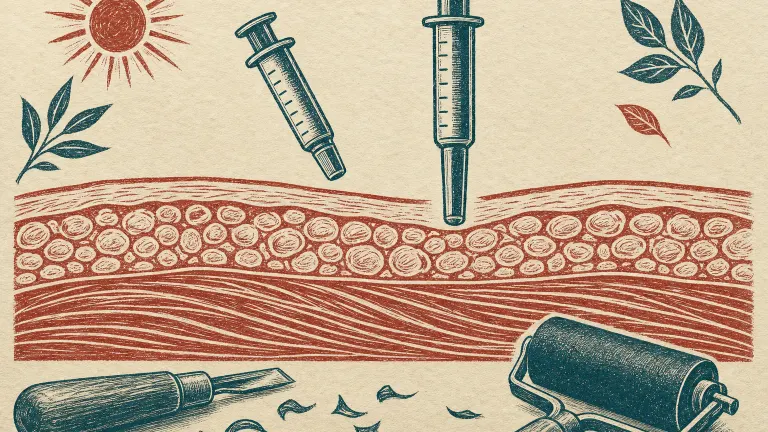
Subcutaneous vs intramuscular injection explained: how absorption speed differs, needle length, injection sites, side effects and which route peptide drugs use.

Traveling with peptides: TSA allows declared medical liquids, syringes and ice packs. Keep prescribed peptides in carry-on, cool and labeled. Check entry rules.
Peptide injection site reactions affect about 1% to 25% of people in trials, by product. See what's normal, how to reduce them, and signs that need a doctor.

Most cited peptide studies with verified citation counts: the discoveries of ghrelin, endothelin and GLP-1, and the trials that made GLP-1 drugs.

How to calculate peptide dosage in 3 steps: find the concentration, divide the dose by it, and convert mL to syringe units. Worked examples and common errors.

Natriuretic peptides explained: what BNP and NT-proBNP levels mean, the cutoffs used to rule out heart failure, why obesity lowers them, and peptide drugs.

How to talk to your doctor about peptides: what to bring, how to explain your goal, the questions to ask, how doctors may respond, and a pre-visit checklist.

A peptide skincare routine step by step: where peptides go, how to layer them with retinol, vitamin C, acids and niacinamide, and what the evidence supports.
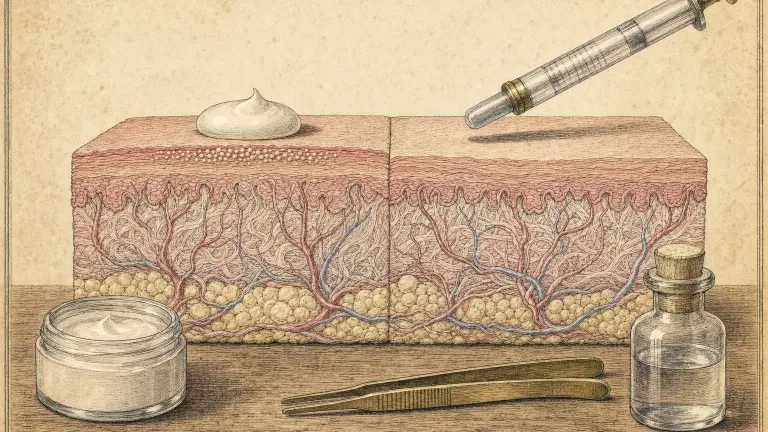
Topical vs injectable peptides for skin: creams barely penetrate, while injected peptide skin boosters are unapproved and carry infection and purity risks.

Lyophilized vs premixed peptides compared: why freeze-dried powders last longer, how ready-to-use pens are stored, dosing-error risks and what labels say.
Do peptides work for skin? A 2026 meta-analysis of 19 trials found modest benefits at best. How Matrixyl, Argireline and GHK-Cu stack up, and what's hype.

Peptide clinic vs DIY peptides: what supervision, licensed pharmacies and lab tests add, the risks of research-use products, and the 2026 legal picture.

Peptide-drug conjugates explained: how PDCs carry cancer drugs to tumors, the approval and withdrawal of melflufen, Lu-177 dotatate, and new PDCs in trials.
Peptides for cancer explained: approved drugs like leuprolide, degarelix, octreotide and Lu-177 dotatate, and why PNC-27 and similar peptides are unproven.
Peptides for children: which peptide drugs are FDA-approved for kids and teens, at what ages, and why most peptides sold online were never tested in children.

Bacteriostatic water is sterile water with 0.9% benzyl alcohol for multi-dose use. See how it differs from sterile water and why vials go after 28 days.
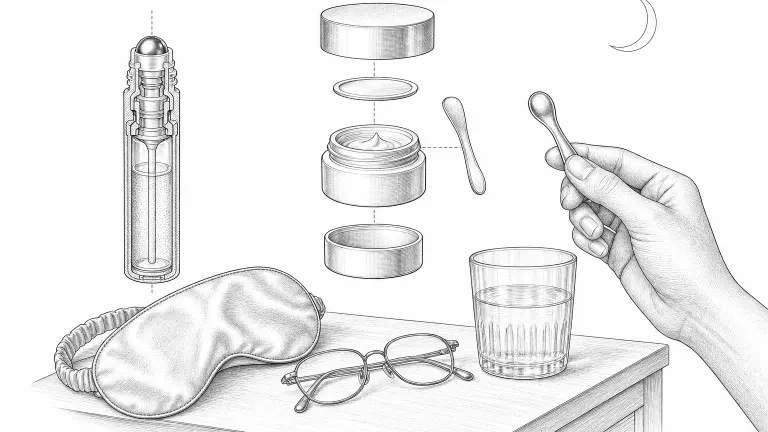
Peptides for under eye creams show modest gains in small, often company-run trials. See what argireline and Matrixyl can do for lines, bags and dark circles.

Oral peptide delivery explained: why only about 1% of a peptide pill is absorbed, how SNAC and sodium caprate help, and which peptide pills are approved.

Peptide side effects depend on the class: nausea with GLP-1s, fluid retention with GH peptides, flushing with melanocortins. See label data and red flags.
The best peptides for skin, ranked by evidence: Matrixyl, argireline and GHK-Cu have small, often sponsored trials; collagen pills show bias. Retinoids lead.

Peptide bioavailability by route, from FDA labels: injections reach 36% to 100%, nasal sprays about 3% to 5%, and peptide pills often 2% or less.

Peptide research 2026 highlights: new FDA approvals for peptide pills, retatrutide's 25% weight loss, the EVOKE Alzheimer's failure and what's next.
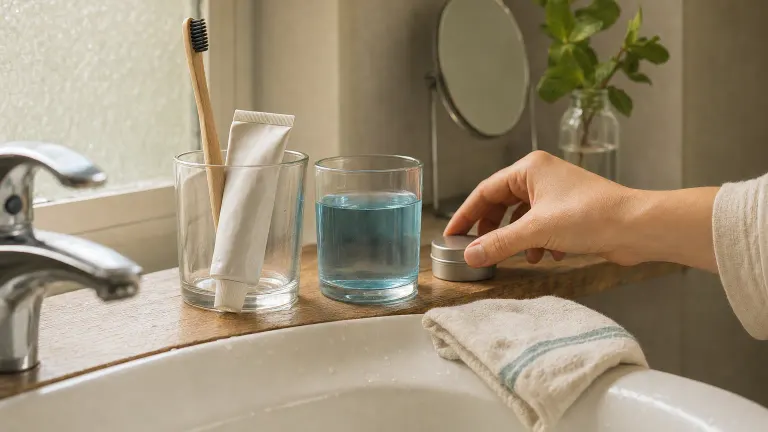
Peptides for oral health, graded by evidence: self-assembling P11-4 may help early enamel lesions, peptide rinses are experimental, and fluoride comes first.
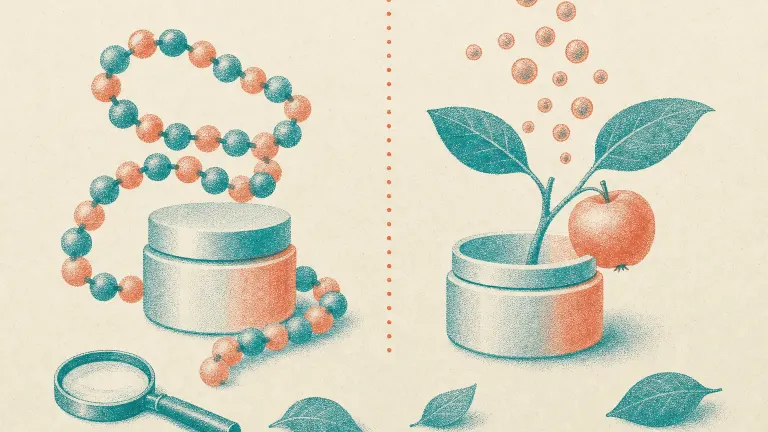
Peptide vs stem cell skincare: what 'stem cell' creams contain, how they compare with peptides, the human evidence, FDA warnings on exosomes and how to choose.

Peptides for acne are still experimental: omiganan's trials never led to approval and cosmetic peptide studies are small. See what dermatologists use first.

Antimicrobial peptides as new antibiotics: which peptide drugs are approved, why trials keep failing, biofilm and resistance research, and what's in trials now.

Natural vs synthetic peptides explained: extracted, recombinant and lab-synthesized peptides compared on purity, safety, regulation and the 'bioidentical' myth.

Veterinary peptides explained: FDA-approved GnRH, oxytocin and insulin products for animals vs unregulated BPC-157 and other research peptides sold for pets.

Peptide radiotracers explained: how Ga-68 and Cu-64 DOTATATE scans find neuroendocrine tumors, Lu-177 dotatate results, and why PSMA agents aren't peptides.

How to dispose of needles: use a sharps container right away, seal it at three-quarters full, then use a drop-off, mail-back or local option.

Personalized peptide therapy: GLP1R gene variants, personal cancer peptide vaccines, a failed phase 3 trial and why DNA-based peptide plans lack proof.

A beginner's guide to peptides: what they are, which are approved and which aren't, how to judge the evidence, the main risks, and a checklist to start.
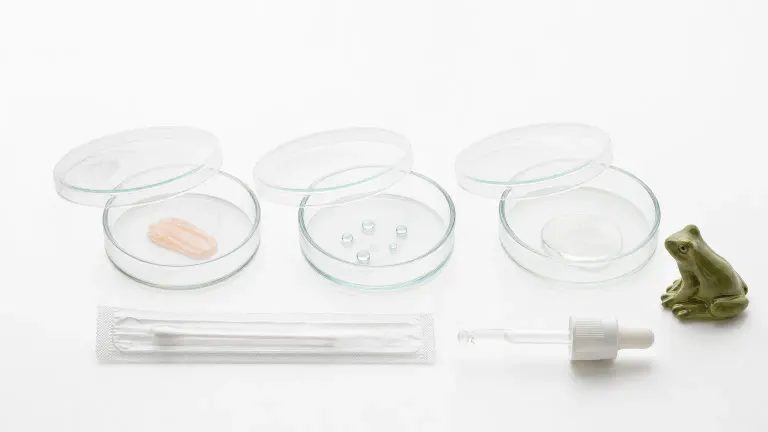
LL-37 vs defensins vs magainin: where each antimicrobial peptide comes from, how it kills microbes, what human trials found and why none is an approved drug.
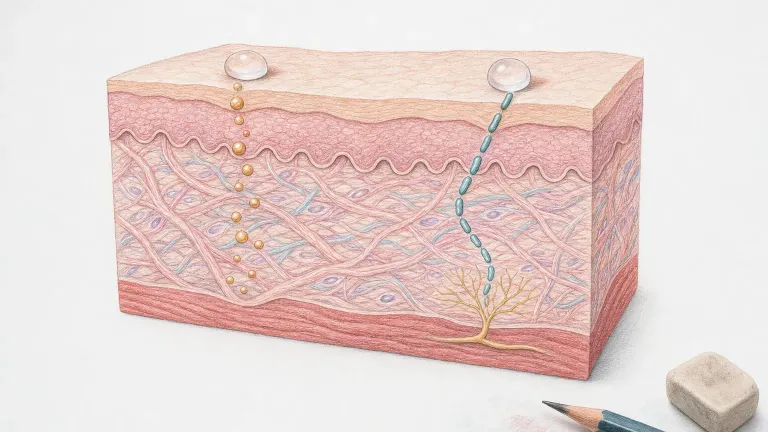
Matrixyl vs argireline: how a collagen-signaling peptide and a muscle-relaxing peptide differ, the one head-to-head trial, side effects and how to choose.

Peptide nasal spray vs injection: how much nasal peptides absorb, approved nasal peptide drugs, what intranasal insulin and oxytocin trials found, and risks.

Peptide therapy results timeline: when trials saw effects for semaglutide, tirzepatide and tesamorelin, when to reassess, and why most peptides lack a timeline.
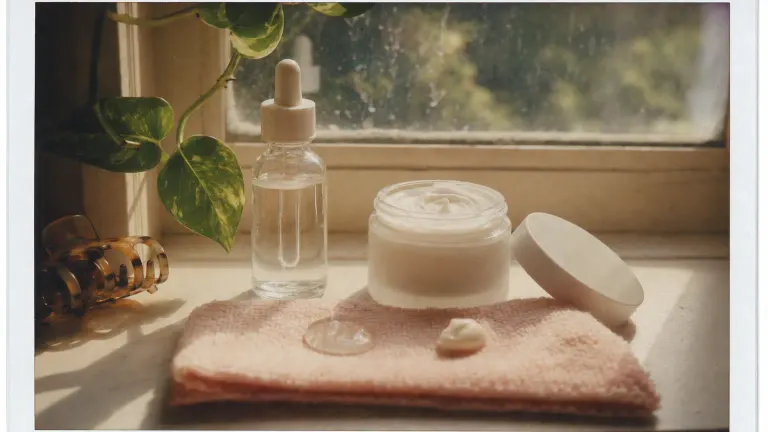
Peptide cream vs serum: how the two formats differ, whether serums absorb better, what research says about peptide delivery, and how to choose and layer them.
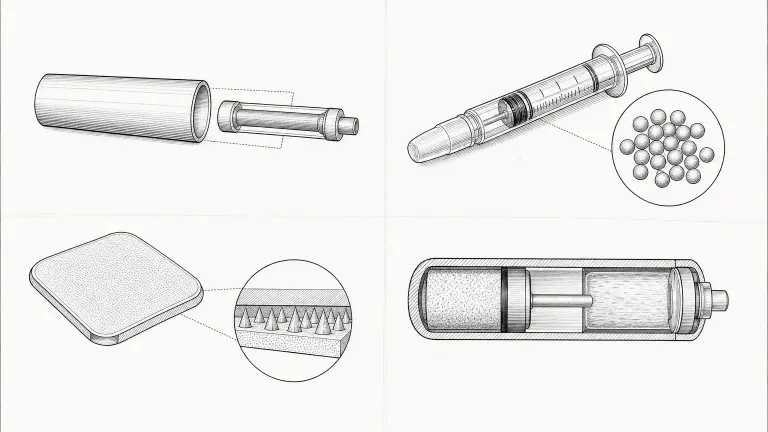
Peptide delivery technologies explained: 12-month implants, 6-month depot shots, weekly albumin-binding peptides and microneedle patches, with trial data.
SNAP-8 vs argireline: how the two 'Botox-like' skincare peptides differ, what the human evidence shows, side effects, legal status and which has better data.

AI-designed peptides in 2026: how deep learning designs binders and antibiotics, the first one in a phase 1 trial, and why none is approved yet.

Matrixyl clinical studies reviewed: one 93-woman trial found fewer wrinkles, but most studies are small, short and industry-funded. Here's what holds up.

Copper peptides vs retinol compared: how GHK-Cu and retinol work, what trials show for wrinkles, irritation, pregnancy questions and using them together.

How to read peptide research papers: rank study types, search PubMed, check ClinicalTrials.gov, and spot spin, fake trial records and other red flags.

Copper peptides for hair: GHK-Cu and AHK-Cu grew follicles in lab and mouse studies, but human evidence is a few tiny trials. What's known, and what works.

Cell-penetrating peptides explained: how TAT and penetratin carry drugs into cells, why none is FDA-approved, and what the nerinetide stroke trials found.

Peptides for hyperpigmentation like oligopeptide-68 and decapeptide-12 have only small trials. Sunscreen, hydroquinone and azelaic acid come first.
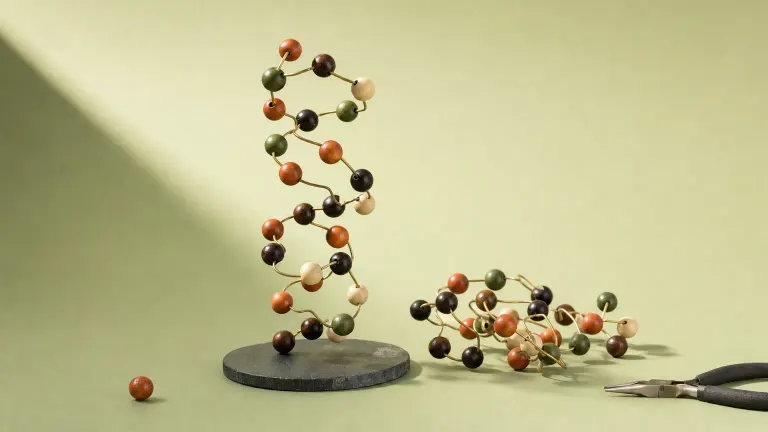
AlphaFold peptide structure prediction explained: what a test of 588 peptides found, how AlphaFold 3 handles modified peptides, and limits to know.

Animal vs human peptide studies: only about a third of top animal findings held up in human trials. Why rodent results fail and what it means for BPC-157.

The best peptides for hair growth, ranked by evidence: copper peptides and biotinoyl tripeptide-1 have small trials; minoxidil and finasteride lead.

Are peptides safe? It depends on the peptide and source. Adverse event data, contamination tests and FDA status for approved, compounded and research peptides.

How to read skincare peptide labels: decode INCI names like palmitoyl pentapeptide-4 and acetyl hexapeptide-8, and judge position on the list and claims.
How to use copper peptides: apply a GHK-Cu serum to clean skin once or twice daily, before moisturizer, and keep strong acids apart. Plus what evidence shows.

Peptide vaccines explained: how short protein fragments train the immune system, plus results from melanoma, pancreatic, kidney and brain cancer trials.
FDA updates and new research, explained in 5 minutes. Every week, free.

Enter your email to get The Beginner's Guide to Peptides, a free 10-page PDF: what peptides are, why everyone's talking about them, the popular names, and how to read quality documents like a COA.
Download the guide (PDF)