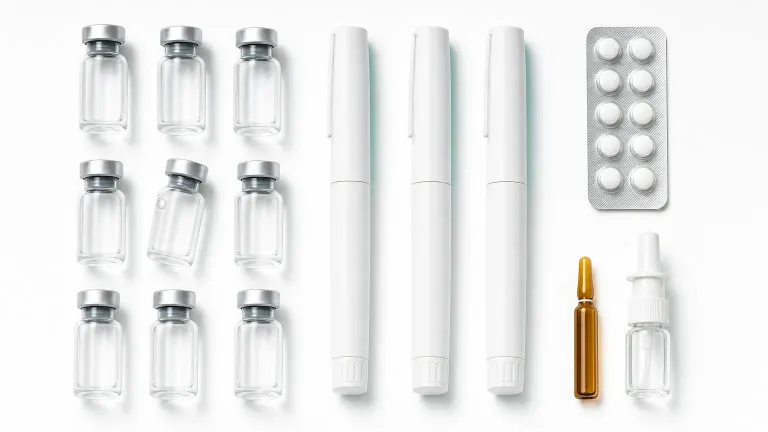
Does insurance cover peptide therapy? It depends on what kind of peptide you mean. FDA-approved peptide drugs, such as semaglutide for type 2 diabetes or teriparatide for osteoporosis, are often covered for their approved uses, usually after prior authorization. Coverage for weight loss is up to employers: in 2025, 16% of firms with 200 to 999 workers and 43% of firms with 5,000 or more covered GLP-1s for weight loss.[1] Compounded and unapproved peptides, such as BPC-157, are rarely covered, and peptide clinic packages are usually cash.
Prices and program terms checked October 2026. They change often; confirm with the manufacturer or your plan.
This guide explains what’s typically covered, how Medicare and HSA/FSA accounts treat peptides, and how to check your own plan. For drug-specific coverage, see our cost and insurance guides.
Coverage at a glance
| Type of peptide | Typical coverage | Why |
|---|---|---|
| FDA-approved, used for its approved condition (e.g., semaglutide for diabetes, tesamorelin for HIV lipodystrophy) | Often covered, usually with prior authorization | Meets the plan’s medical necessity criteria |
| FDA-approved for weight management (e.g., Wegovy, Zepbound) | Varies by employer and plan[1] | Weight-loss drugs are an optional benefit for many employers |
| Approved drug used off-label | Often denied | Legal to prescribe,[8] but plans may limit coverage to labeled uses |
| Compounded peptide from a licensed pharmacy | Rarely covered | Not FDA-approved;[7] many insurers don’t pay for bulk drug ingredients[2] |
| Unapproved or “research” peptides (BPC-157, TB-500, ipamorelin) | Not covered | Not approved drugs |
| Clinic visits and lab tests | Sometimes, if in network and medically necessary | Many peptide clinics are cash-only |
Approved peptide drugs
Approved peptide drugs go through your plan’s pharmacy benefit like any prescription. Expect:
- A formulary check: is the drug on your plan’s list, and at what tier?
- Prior authorization: your prescriber documents your diagnosis and why the drug is needed.
- Step therapy: some plans want you to try a cheaper option first.
- Renewal criteria: for weight-loss drugs, plans often require proof of response after a set period.
For specific drugs, see does insurance cover Ozempic, does insurance cover Wegovy and does insurance cover Zepbound. If you have commercial insurance, manufacturer savings offers can cut costs, but they generally exclude government insurance; the Wegovy offer, for example, isn’t available to people with Medicare, Medicaid, VA, DOD or TRICARE coverage.[9]
Compounded and unapproved peptides
Compounded drugs aren’t FDA-approved, even when a licensed pharmacy makes them.[7] A federal review found that several private insurers and Medicare Part D sponsors generally don’t pay for ingredients that are bulk drug substances, the raw powders compounders use.[2] That review is from 2014, so check current policy with your plan, but it reflects a long-standing pattern.
Unapproved peptides such as BPC-157, TB-500 and ipamorelin aren’t approved drugs at all, so there’s no pathway for a plan to cover them. Their legal status was also unsettled in 2026; see are peptides legal?.
Medicare
- Part D can cover approved peptide drugs for medically accepted uses, such as GLP-1 drugs for type 2 diabetes. People with type 2 diabetes, moderate-to-severe sleep apnea or fatty liver disease may get GLP-1 coverage through their regular Part D plan.[5]
- Medicare GLP-1 Bridge: since July 1, 2026, eligible Part D enrollees can get Wegovy (injection or tablet), Zepbound KwikPen or Foundayo for weight loss for $50 per one-month supply. Eligibility depends on BMI and related conditions, and approvals run through December 31, 2027.[5]
- Unapproved or compounded peptides aren’t covered.
See does Medicare cover Ozempic and does Medicare cover Zepbound for details.
HSA and FSA accounts
IRS rules for health savings accounts and flexible spending accounts follow the tax definition of medical care.[4] IRS Publication 502 says:[3]
- Prescribed drugs count. A prescribed drug is one that requires a doctor’s prescription.
- Weight loss counts when it treats a disease diagnosed by a physician, such as obesity; diet food doesn’t.
- Supplements and vitamins don’t count unless a practitioner recommends them to treat a specific diagnosed condition.
- Imported drugs count only if legally imported.
So an approved peptide drug prescribed for a diagnosed condition generally qualifies. For compounded or clinic peptides, ask your plan administrator before you pay and keep your prescription and receipts, since administrators can ask for documentation. Products bought as “research chemicals” without a prescription don’t meet the prescribed-drug definition.[3]
How to check your own coverage
- Get the exact drug name, strength and form from your prescriber, plus the diagnosis it’s for.
- Search your plan’s formulary in the member portal, or call the number on your card.
- Ask about prior authorization and step therapy, and what documentation is needed.
- For clinic care, ask whether the clinic is in network and whether visits and labs are billed to insurance.
- If denied, ask for the reason in writing. You have the right to an internal appeal, and you generally must file it within 180 days of receiving the denial notice. Include a letter from your prescriber explaining why the drug is medically necessary for you.[6]
Lowering costs without coverage
If an approved drug isn’t covered, manufacturer self-pay programs may cost less than compounded versions. Our guides to GLP-1 cost without insurance and how to get semaglutide without insurance compare options. For choosing where to get care, see peptide clinic vs DIY and how to check a compounding pharmacy.
Checklist: insurance and peptide therapy
- I know whether my peptide is FDA-approved, compounded or unapproved.
- I’ve checked my formulary and prior authorization rules.
- I know whether the clinic and lab are in network.
- I’ve asked my HSA/FSA administrator before paying for compounded or clinic peptides.
- I’ve checked Medicare GLP-1 Bridge eligibility, if I’m on Medicare.
- I’ll get any denial in writing and know my appeal deadline.
The bottom line
Insurance follows FDA approval. Approved peptide drugs used for approved conditions are the ones most likely to be covered; weight-loss coverage depends on your employer; and compounded or unapproved peptides are almost always out of pocket. Check your plan before you start, and get every promise of coverage in writing. Our FDA & Regulation hub explains the approval rules behind these decisions.